
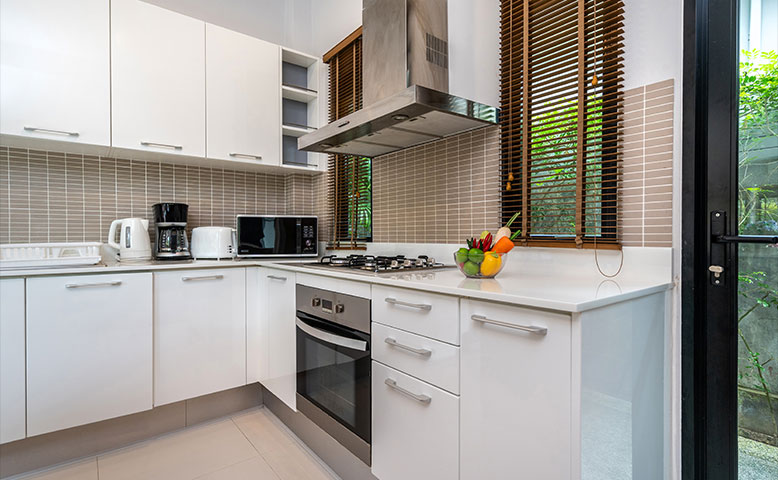
A kitchen remodel can change how you cook, eat, and spend time at home. But smart choices matter more than shiny photos. Before you pick tile or order cabinets, slow down and plan the basics: what you need, how you move, where power runs, and how much it will cost. Good planning cuts delays and surprises, from outlet locations to floor slopes. It also helps you compare bids fairly.
In this blog, we’ll keep things simple and clear. You’ll see plain rules of thumb, practical checklists, and a quick table you can skim. You’ll also get a few numbers the pros use—like aisle width, circuit needs, and hood sizing—so you can talk with confidence when you meet your contractor.
Decide goals, must-haves, nice-to-haves before planning now
Begin with a short, honest list. Separate needs from wants so your budget stays on track when prices change.
- Must-haves: safe wiring, good lighting, sturdy floors, easy-clean counters.
- Nice-to-haves: pot filler, wine fridge, special inserts, statement slab.
- Style guardrails: two or three colors, one metal tone, one wood tone.
Helpful steps:
- Write down how you cook on busy weeknights vs weekends.
- Track pain areas for a week (crowded zones, dark corners, sticky drawers).
- Note appliance sizes you already own.
- Rank your list 1–5. If costs rise, cut low-rank wants first.
Quick fact: most remodels spend 10–15% of home value if they include layout changes. Light refreshes (paint, pulls, tap) can land far lower. Clarity now helps you choose the right scope.
Measure space and plan smart kitchen work zones.
Grab a tape and sketch your room. Mark doors, windows, vents, and the exact spots of plumbing and power. Add sizes for the fridge, range, and sink.
Rules of thumb:
- Aisle width: 42 inches for one cook, 48 inches for two.
- Counter height: about 36 inches; island seating works well at 36 or 42 inches with foot room.
- Toe kick: ~3.5 inches high, 3 inches deep for easy standing.
- Work triangle total: 13–26 feet (sink–range–fridge), with each leg 4–9 feet.
Think in zones, not just a triangle:
- Prep zone near sink with 24–36 inches of clear counter.
- Cooking zone around the range with pan storage.
- Clean-up zone with dish drop space on both sides of the sink.
- Snack/coffee zone to keep guests away from the cook.
These small numbers reduce bumps and make everyday tasks smoother.
Choose a layout that fits daily cooking habits
Pick a layout that supports your routine, not the other way around.
- Galley: great flow in small spaces; keep aisles 42 inches.
- L-shape: opens to dining; add an island if traffic allows.
- U-shape: tons of counter; watch corner access, and turning radius.
- One-wall: Use tall storage and a mobile island for prep.
Technical tips:
- Leave 15 inches minimum landing space on the handle side of the fridge.
- Keep 12 inches of landing space on one side of the cooktop and 15 inches on the other when possible.
- Dishwashers are 21 inches clear on the open-door side.
- Avoid placing the fridge right by a wall; leave 2 inches for door swing and pull-out bins.
If space is tight, a 24-inch-deep counter with a 10-inch deep overhang at the island can still seat two kids for snacks.
Set a clear budget with honest cost buffers
Good budgets include line items and a small cushion.
Typical split (varies by region and scope):
- Cabinetry: 25–35%
- Labor and trades: 20–30%
- Counters and splash: 10–15%
- Appliances: 10–20%
- Flooring, paint, hardware, lights: 10–15%
- Contingency: 10–15% for surprises (subfloor rot, hidden pipes).
Money-saving moves that don’t hurt performance:
- Keep plumbing in the same wall.
- Reface or repaint solid cabinet boxes.
- Choose a standard cabinet line with smart inserts in only the most-used drawers.
- Use a durable mid-range quartz; reserve a bold material for a small feature run.
Ask for itemized bids and a draw schedule tied to milestones (demo, rough-in, cabinets set, counters, finish). This makes progress and costs easier to track.
Plan lighting, power points, and ventilation early
Good lighting stops shadows; good power stops extension-cord mess; good air keeps smells out.
Lighting layers:
- Ambient: ceiling cans or a central fixture.
- Task: under-cabinet strips; aim for about 50 lumens per square foot on task areas.
- Accent: toe-kick or shelf lights for soft glow.
Power planning: local codes vary, but kitchens often need:
- At least two 20-amp small-appliance circuits for counters.
- GFCI-protected outlets near sinks.
- Outlets spaced so that no point along the counter is more than 24 inches from one.
Vent notes:
- Wall-mount hoods are commonly sized around 100 CFM per linear foot of cooktop; island hoods often need more.
- Keep duct runs short with smooth 6-inch (or larger) rigid duct.
- Always vent outside, not into the attic.
Plan these items before cabinet orders so drilling and patches don’t waste time.
Plan storage, ergonomics, and easy everyday access
Think about where items land after they arrive from the store and where they move during cooking.
- Drawers over doors for pots and pans near the range.
- Pull-outs for trash and recycling close to prep.
- Vertical dividers for sheets and boards near the oven.
- Spice pulls away from the heat.
- Microwave height: about 54 inches from floor to top for a 36-inch counter run.
- Upper shelf height: keep most-used items between 24–60 inches from the floor.
Ergonomic notes:
- Heaviest items live between knee and shoulder height.
- Leave 18 inches of space between the counter and the uppers for appliances to fit.
- Corner units work better with a lazy Susan or blind-corner pull-out than an empty void.
These small placements save steps every single day.
Schedule, permits, and clear contractor communication tips
A realistic plan reduces stress.
Basic sequence:
- Design, specs, and orders.
- Permits (if moving walls, plumbing, or circuits).
- Demo and rough-in (plumbing, power, vents).
- Inspections.
- Drywall, floors, cabinets.
- Counters template and set.
- Backsplash, trim, paint.
- Final fixtures, punch list, clean.
Keep a one-page spec sheet with model numbers, finish codes, and install guides. Place it in a shared folder so everyone works from the same details. Protect floors and doorways before demo. Confirm delivery dates and inspect boxes on arrival. Take photos of open walls after rough-in; these help later when you mount shelves or fix a line. Set a weekly check-in to review progress and decisions so nothing drifts.
Quick kitchen planning cheat-sheet table
| Decision Area | Quick Rule | Typical Range | Notes |
| Aisle width | One cook | 42 in | Two cooks: 48 in |
| Work triangle | Total length | 13–26 ft | Each leg 4–9 ft |
| Counter height | Standard | 36 in | Bar seating: 42 in |
| Island overhang | Seating comfort | 10–12 in | Add foot space |
| Landing space | Beside cooktop | 12–15 on each side | More is better |
| Sink landing | Counter both sides | 18 on each side | Dry rack fits |
| Upper clearance | Counter to uppers | 18 in | For appliances |
| DW clearance | Door swing | 21 in | Avoid corner clash |
| Receptacles | Countertop spacing | ≤24 in apart | GFCI near sinks |
| Hood sizing | CFM per foot | ~100 CFM/ft | Vent outside |
| Duct size | Minimum diameter | 6 in | Rigid, short run |
| Toe kick | Height | ~3.5 in | 3 in deep |
Conclusion
A solid kitchen remodel starts with clear goals, good measurements, and simple rules that protect flow, safety, and cost. Set your zones, map power and air, pick durable materials, and agree on a schedule you can follow. Keep a small buffer for surprises and track every model number in one place. If you want pro tile, waterproofing, and tidy finishes that hold up, Bibiu The Tiler King offers kitchen remodeling services—from splash walls to full tiling systems—so your project moves forward with strong, everyday function.